

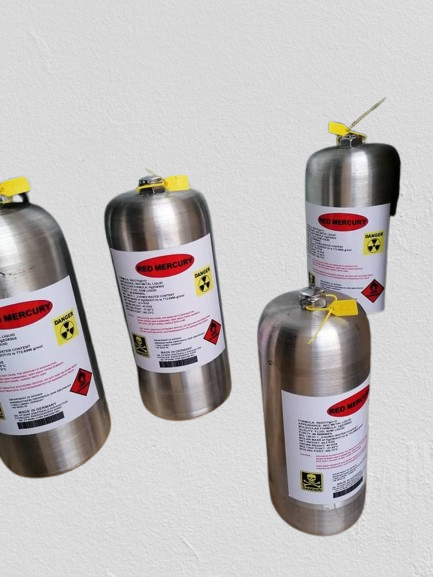
Red Mercury
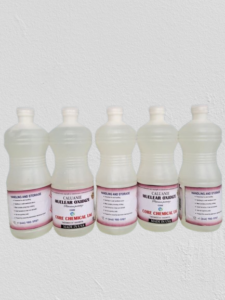
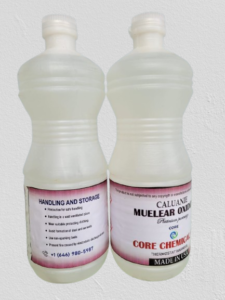
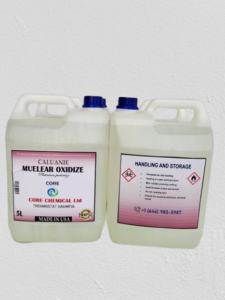
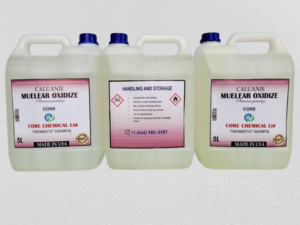
Red Mercury is a widely misunderstood substance surrounded by myths and misinformation. Scientific research confirms that no verified compound known as red mercury exists with the claimed extraordinary properties. While red-colored mercury compounds such as mercury oxide and cinnabar are real and regulated, red mercury itself remains unproven. Understanding the facts helps prevent misinformation and promotes safety, compliance, and scientific accuracy.
- Estimated Delivery : Up to 4 business days
- Free Shipping & Returns : On all orders over $200
Red Mercury: Facts, Myths, Uses, and Scientific Reality
Red Mercury is one of the most mysterious and controversial substances ever discussed in scientific, military, and industrial circles. Often surrounded by myths, rumors, and misinformation, red mercury has been widely claimed to possess extraordinary properties. However, modern science and regulatory authorities strongly emphasize the importance of separating facts from fiction.
This page provides a clear, factual overview of red mercury, its alleged properties, historical references, legal status, and scientific consensus.
What Is Red Mercury?
Red mercury is commonly described as a red or reddish-brown substance that allegedly contains mercury-based compounds. Over the years, it has been linked—often incorrectly—to nuclear technology, weapons manufacturing, and high-energy reactions.
Scientific Perspective on Red Mercury
From a verified scientific standpoint:
- There is no confirmed chemical compound officially recognized as “red mercury”
- Many claims originate from hoaxes, black-market myths, or misidentified mercury compounds
- Laboratories worldwide have not validated the extraordinary properties often attributed to it
History and Origin of Red Mercury Claims
Cold War and Military Rumors
During the Cold War era, red mercury became associated with:
- Nuclear weapons miniaturization myths
- Soviet-era disinformation
- Intelligence and military folklore
Black Market Misinformation
Red mercury later appeared in:
- Illegal trading schemes
- Fraudulent scientific claims
- Unverified industrial advertisements
These stories contributed to its reputation but lacked credible evidence.
Common Compounds Mistaken for Red Mercury
Some substances are often incorrectly labeled as red mercury, including:
Mercury(II) Oxide (HgO)
- Naturally red or orange in color
- Used in laboratories and research
- Well-documented and regulated
Cinnabar (Mercury Sulfide – HgS)
- A natural mercury mineral
- Bright red appearance
- Historically used as pigment
These are real substances, but they do not possess the mythical properties often associated with red mercury.
Legal Status and Safety Considerations
Is Red Mercury Legal?
- There is no recognized legal commercial product called red mercury
- Mercury compounds are strictly regulated worldwide
- Any trade involving mercury requires government approval and compliance
Health and Environmental Risks
- Mercury compounds are toxic
- Exposure can cause serious neurological and environmental harm
- Handling requires professional safety protocols
Uses of Mercury Compounds (Legitimate Context)
While red mercury itself lacks scientific validation, mercury compounds are used in:
- Chemical research
- Laboratory analysis
- Industrial manufacturing (under strict regulation)
- Scientific instrumentation
All legitimate uses follow international safety and environmental laws.
Frequently Asked Questions (FAQ)
Is red mercury real?
There is no scientifically proven substance officially known as red mercury with the extraordinary properties often claimed online.
Why is red mercury so popular online?
Its popularity stems from myths, misinformation, and black-market rumors, not verified science.
Can red mercury be used in nuclear or military applications?
No credible scientific or governmental body has confirmed such uses.
Is red mercury dangerous?
Any mercury-based substance can be toxic and hazardous if mishandled.
Are there real red-colored mercury compounds?
Yes, compounds like mercury oxide (HgO) and cinnabar (HgS) exist and are well-documented.
Conclusion
Red mercury remains a myth-driven topic rather than a scientifically proven material. While mercury compounds play legitimate roles in science and industry, claims surrounding red mercury’s extraordinary powers are unsupported by evidence. Accurate knowledge, regulatory compliance, and scientific integrity are essential when discussing mercury-related substances.
Add a review
Related products
-
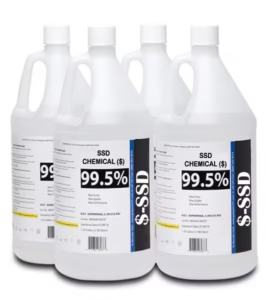
SSD Chemical Solution
Original price was: $2,000.$1,500Current price is: $1,500.

Reviews
There are no reviews yet.